
31°C, New York


Notification products, updates
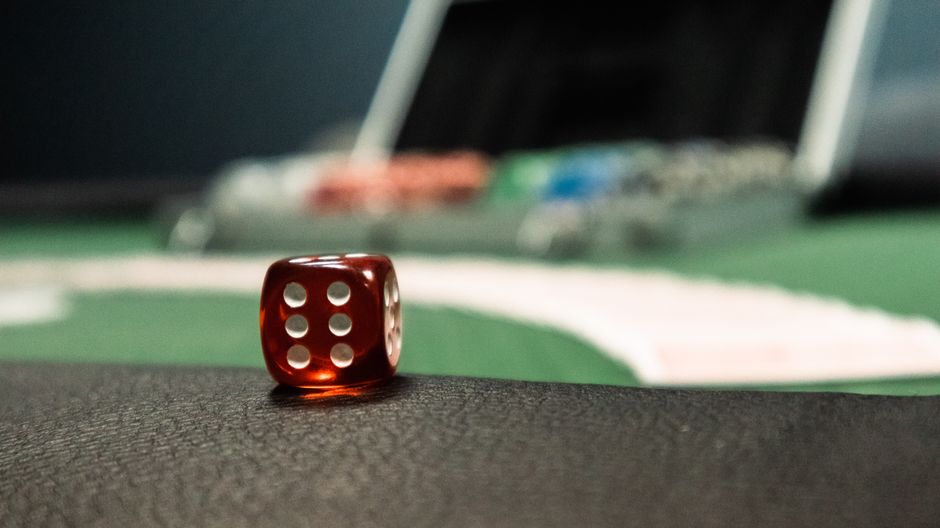
Ask ten casino players what RTP means and you'll get ten variations of the same vague answer: "it's the payback percentage." Technically true. Practically useless if you don't understand how that number actually behaves in the wild. A 96% RTP slot doesn't hand you back 96 cents on every dollar you feed it — and if you've ever burned through a bankroll on a machine that supposedly had great odds, you already know that feeling. Let's dig into what's really going on under the hood, and how understanding it changes the way you play everything from slots to poker.
Here's the thing casinos don't shout about: RTP is calculated over millions of spins, often tens of millions. When a slot is rated at 96.5%, that's the theoretical return if you played an infinite number of spins at a fixed bet size. In any single session — a hundred spins, a thousand spins — your actual result can swing wildly in either direction.
Think of it like a coin-flip contest where heads pays you $2.10 and tails pays nothing. The house edge is built in, but if you flip ten times you might hit heads seven times and walk away up. Flip a million times and the math grinds you down to the expected result. Slots work the same way, just with more variables.
What this means practically:
If you're picking games purely on RTP, you're making a rational choice for the long haul — but you need to accept that a single night tells you almost nothing about whether that choice was smart.
RTP gets all the attention, but volatility (sometimes called variance) is what determines whether you're still playing in twenty minutes or cashing out at 3 a.m. Two slots can both have a 96% RTP and play completely differently.
Low-volatility slots hit small wins constantly. You'll grind along, your balance dips slowly, and you get lots of little dopamine hits. High-volatility slots go cold for fifty spins, then slam you with a 500x multiplier. Same expected return over time, radically different experience.
Here's a rough breakdown of what players should actually consider: You can read more about it on สล็อตเว็บตรง.
When you're browsing a casino lobby, don't just scan the RTP — check the volatility rating. Most reputable sites publish both now, usually in the game info panel. If a slot lists 96.2% RTP but high volatility, don't load it up expecting a smooth ride.
Slots get the headlines, but the house edge varies enormously depending on what you play. If you want the best odds in the building, you're not looking at the shiny new Megaways release. You're looking at blackjack played with basic strategy, or certain video poker variants, or baccarat betting on the banker.
Rough benchmarks worth knowing:
The skill element matters too. Blackjack's low house edge assumes you're playing basic strategy perfectly. Play hunches and the edge pirouettes back toward the house fast. Poker, meanwhile, isn't played against the house at all — you're playing against other people, minus the rake. A skilled poker player can have a positive expected value over time, which is why "house edge" is a strange thing to even apply to it.
You can quote RTP stats all day, but if you don't manage your bankroll, none of it matters. This is the part most players gloss over after watching big-streamer highlight reels.
Concrete rules that actually work:
Poker players have an additional layer: track your results. If you're not logging buy-ins and cash-outs, you have no idea if you're actually a winning player or just running hot. A spreadsheet costs nothing and will humble you quickly if you need it.
The math behind casino games is transparent once you stop treating RTP as a marketing number and start treating it as a long-run statistical fact. Your job as a player isn't to beat the house edge — that's not possible in games with fixed odds. Your job is to understand it, pick the games and bet sizes that match your bankroll and your tolerance for swings, and treat every session as entertainment spend rather than a plan.
Players who internalize this — RTP is a marathon, volatility is the weather, house edge is the toll you pay to play — enjoy the games far more. They tilt less. They chase losses less. They leave when they said they would. And honestly, that's the only edge any of us actually has.

Aster Report shares practical, down-to-earth guidance on amateur astronomy and stargazing for beginners in the uk for readers across the UK.
Stay Tuned With Updates


Leave A Comment